

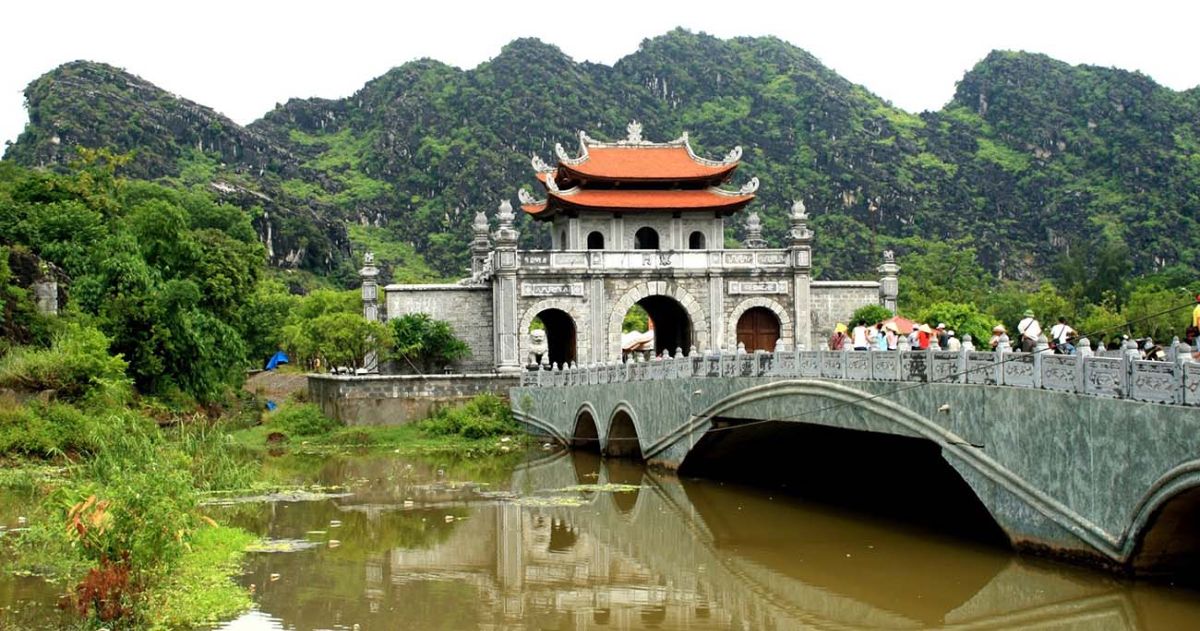
Exploring Hoa Lu Ancient Capital: Vietnam's First Imperial City
Introduction
Hoa Lu Ancient Capital, nestled in the picturesque landscapes of Ninh Binh, holds a special place in Vietnam’s history as the nation’s first imperial city. Established in the 10th century, this historical gem is a blend of cultural heritage, architectural marvels, and natural beauty. Visitors to Hoa Lu can explore its ancient temples, learn about its role in unifying Vietnam, and enjoy its serene surroundings, making it a must-visit destination for history enthusiasts and travelers alike.
Historical Significance of Hoa Lu
The Dinh Dynasty Era
In 968, King Dinh Bo Linh established Hoa Lu as Vietnam’s first imperial capital. This pivotal moment marked the unification of the country after a period of political fragmentation. King Dinh adopted the title Emperor Dinh Tien Hoang and implemented a centralized governance system, laying the foundation for a unified Vietnam. Under his rule, Hoa Lu became the political, economic, and military hub of the nation.
Key Contributions:
- Political Unification: Dinh Bo Linh ended decades of division by consolidating power under one central authority.
- Defensive Strength: Hoa Lu’s strategic location, surrounded by limestone mountains and rivers, provided natural fortifications against invaders.
- Cultural Development: King Dinh promoted Buddhism, which became a cornerstone of Vietnamese culture during his reign.
The Le Dynasty Period
After the fall of the Dinh Dynasty, Hoa Lu continued to flourish under the Early Le Dynasty (980-1009). King Le Dai Hanh fortified the capital and expanded its influence. His reign was marked by significant military victories, particularly against foreign invaders, securing Vietnam’s sovereignty.
Achievements of the Le Dynasty:
- Military Success: Defeated Song Dynasty forces in the Battle of Bach Dang in 981.
- Diplomatic Relations: Strengthened ties with neighboring kingdoms to ensure peace and stability.
- Cultural Advancements: Continued the promotion of Buddhism and the construction of religious sites.
Transition to Thang Long
In 1010, King Ly Thai To relocated the capital to Thang Long (modern-day Hanoi), ushering in a new era for Vietnam. While Hoa Lu’s role as the capital ended, it remained a spiritual and cultural hub.
Reasons for the Move:
Legacy of Hoa Lu: Despite losing its capital status, Hoa Lu’s temples and structures continued to be revered as sacred sites.ve marked a new chapter in Vietnam’s history but left Hoa Lu as a significant cultural and spiritual site.
Geographical Expansion: Thang Long offered a more spacious and accessible location for governance.
Economic Potential: Proximity to major waterways facilitated trade and communication.
Reasons for the Move:
- Thang Long’s strategic location near major waterways.
- Desire for a more expansive and accessible capital.
Architectural Highlights
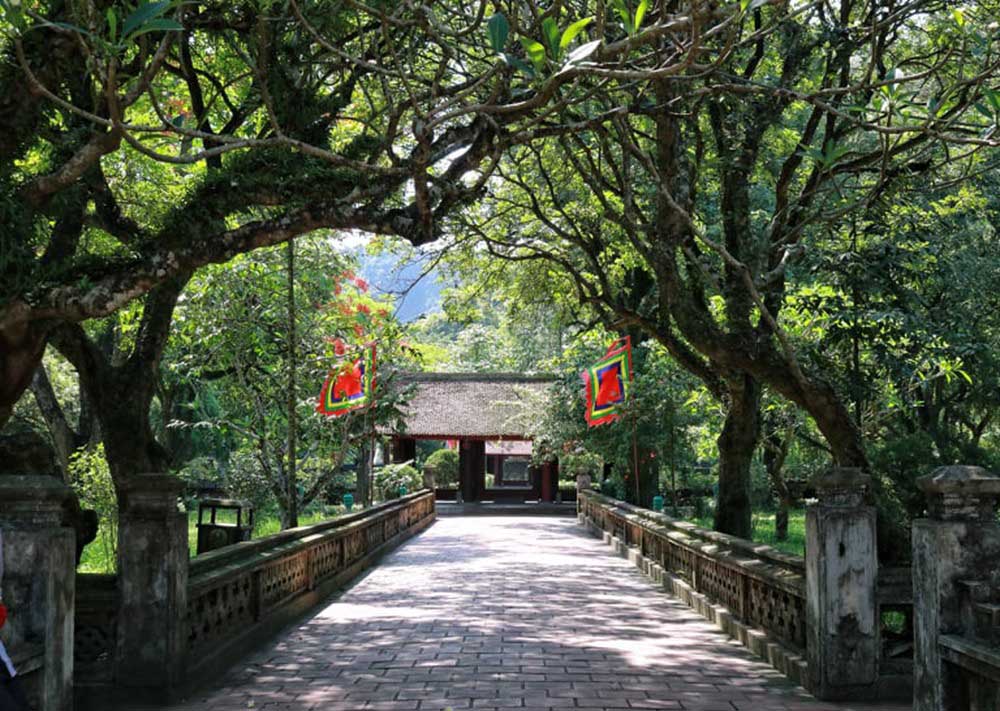
Temples of King Dinh and King Le
These temples are dedicated to Vietnam’s founding monarchs, King Dinh Tien Hoang and King Le Dai Hanh. Each temple showcases intricate carvings, traditional Vietnamese architecture, and a serene atmosphere that invites reflection.
Unique Features:
- Stone sculptures depicting dragons and mythical creatures.
- Detailed altars honoring the kings and their contributions.
- Peaceful courtyards surrounded by lush greenery.
Ancient Pagodas and Structures
Hoa Lu is home to several ancient pagodas and monuments that reflect the architectural and religious practices of its time. Among these are smaller, lesser-known structures that offer a glimpse into the daily lives of its residents.
Must-See Spots:
- Nhat Tru Pagoda: Known for its unique single-pillar design.
- Foundations of ancient palaces, revealing the city’s original layout.
Defensive Walls and Gates
The remnants of Hoa Lu’s fortifications stand as a testament to its strategic importance. These defensive walls and gates were designed to protect the capital from invasions, taking advantage of the natural limestone mountains as barriers.
Features:
- Thick stone walls integrated with the surrounding karsts.
- Gates adorned with traditional motifs.
Cultural and Religious Importance
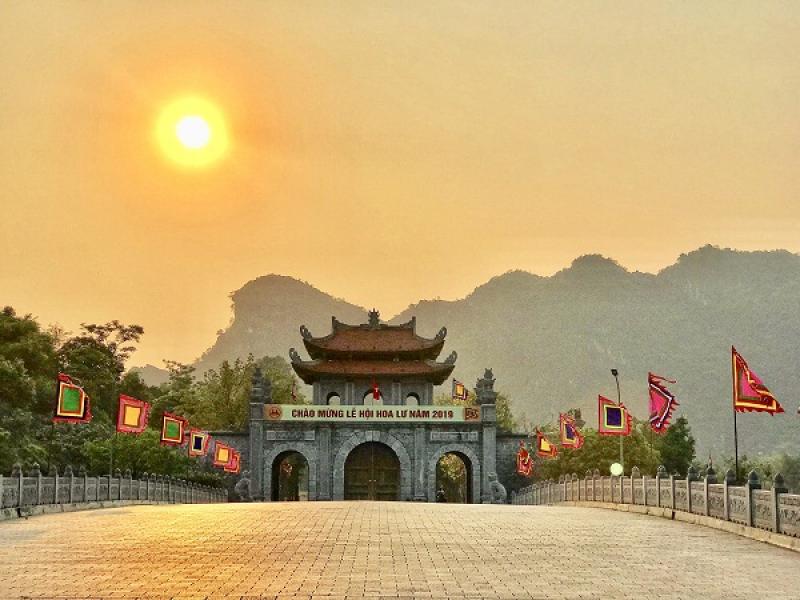
Festivals Celebrated in Hoa Lu
Hoa Lu comes alive during its annual festivals, particularly the Hoa Lu Festival, which honors King Dinh Tien Hoang and King Le Dai Hanh. These events feature traditional music, dance, and rituals, drawing both locals and tourists.
Religious Practices and Sites
Hoa Lu’s temples remain active religious sites, hosting ceremonies and rituals throughout the year. These practices highlight the enduring cultural and spiritual significance of the ancient capital.
Visiting Hoa Lu Today
Location and Accessibility
Hoa Lu is located approximately 100 km south of Hanoi, making it a convenient day trip destination.
Transportation Options:
- Car: ~2 hours via the Hanoi-Ninh Binh Expressway.
- Bus: Frequent departures from Hanoi’s Giap Bat Station.
- Motorbike: A scenic route through rural Vietnam.
Entrance Fees and Operating Hours
| Attraction | Fee (VND) | Hours |
| Temples of King Dinh | 20,000 | 7:00 AM – 5:00 PM |
| Temples of King Le | 20,000 | 7:00 AM – 5:00 PM |
Guided Tours and What to Expect
Guided tours provide valuable insights into Hoa Lu’s history and culture. Most tours include:
- Visits to key temples and monuments.
- Historical storytelling by knowledgeable guides.
- Optional combinations with nearby attractions like Tam Coc.
Nearby Attractions



Tam Coc – Bich Dong
Known for its serene boat rides through rice paddies and limestone caves, Tam Coc offers a peaceful escape just a short distance from Hoa Lu.
Trang An Landscape Complex
A UNESCO World Heritage Site, Trang An features stunning karst landscapes and intricate cave systems explored by boat.
Bai Dinh Pagoda
The largest temple complex in Vietnam, Bai Dinh is renowned for its grandeur and spiritual ambiance.
Travel Tips
Best Time to Visit
- Spring (February-April): Ideal weather and vibrant festival season.
- Autumn (September-November): Mild temperatures and scenic beauty.
Recommended Itineraries
- One-Day Tour: Hoa Lu + Tam Coc: Begin your day exploring the historic temples in Hoa Lu, followed by a relaxing boat ride through the serene landscapes of Tam Coc.
- Two-Day Tour: Hoa Lu + Trang An + Bai Dinh: Spend the first day visiting Hoa Lu and exploring the UNESCO-listed Trang An, then dedicate the second day to the grandeur of Bai Dinh Pagoda.
Conclusion
Hoa Lu Ancient Capital stands as a testament to Vietnam’s rich history and cultural heritage. From its role as the first imperial city to its architectural marvels, Hoa Lu offers visitors an immersive journey into the past. Combine your visit with nearby attractions like Tam Coc and Bai Dinh Pagoda for a comprehensive Ninh Binh experience. Don’t miss the opportunity to explore this historical gem and its stunning surroundings.
Inspired to see it for yourself?
Explore our journeys →