

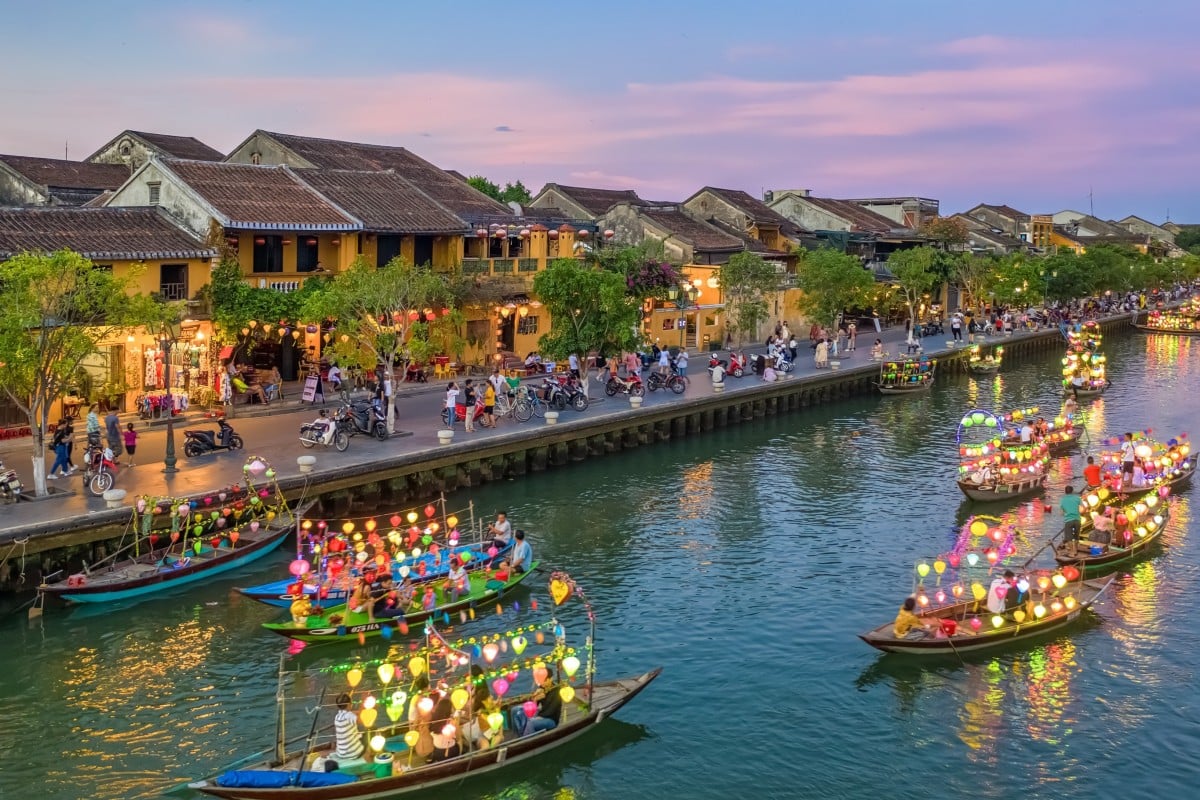
Must-Try Dishes in Hoi An
Introduction
Hoi An, a UNESCO World Heritage Site, is celebrated not just for its historic charm but also for its culinary treasures. The city’s rich food culture reflects a harmonious blend of Vietnamese, Chinese, and Japanese influences, resulting in unique flavors that captivate visitors. Walking through Hoi An’s bustling streets, you’ll find an array of must-try dishes that embody the town’s vibrant culinary heritage.
Top 12 Must-Try Dishes in Hoi An
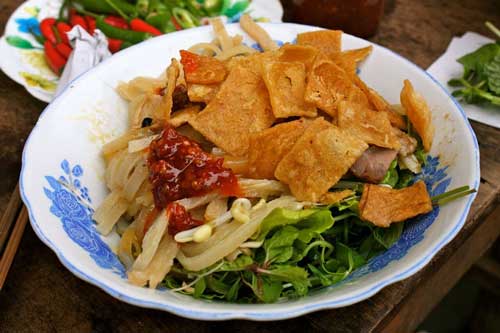
Cao Lầu
Description: Cao Lầu is a signature dish that epitomizes the culinary heritage of Hoi An. The thick rice noodles are uniquely prepared by soaking them in lye water from local wells, which gives them a distinctive chewy texture. These noodles are served with slices of savory barbecued pork, fresh herbs, bean sprouts, and crispy rice crackers. The dish is lightly coated with a flavorful soy-based sauce, creating a harmonious balance of salty, sweet, and umami flavors. It’s a dish that’s deeply rooted in Hoi An’s history and best enjoyed in the quaint settings of the Ancient Town.
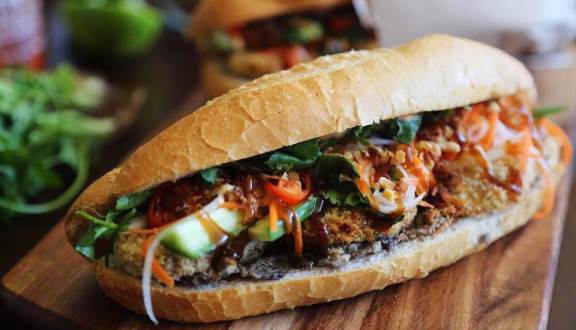
Bánh Mì
Description: Bánh Mì in Hoi An is a globally renowned Vietnamese sandwich that combines French and Vietnamese culinary traditions. A freshly baked baguette with a crisp crust and fluffy interior is generously filled with savory ingredients such as grilled pork, pate, pickled vegetables, fresh herbs, and a drizzle of flavorful sauces. Each bite offers a delightful medley of textures and flavors—crunchy, tender, tangy, and sweet. The Bánh Mì in Hoi An is especially famous for its unique local twist, making it a must-try for any visitor.
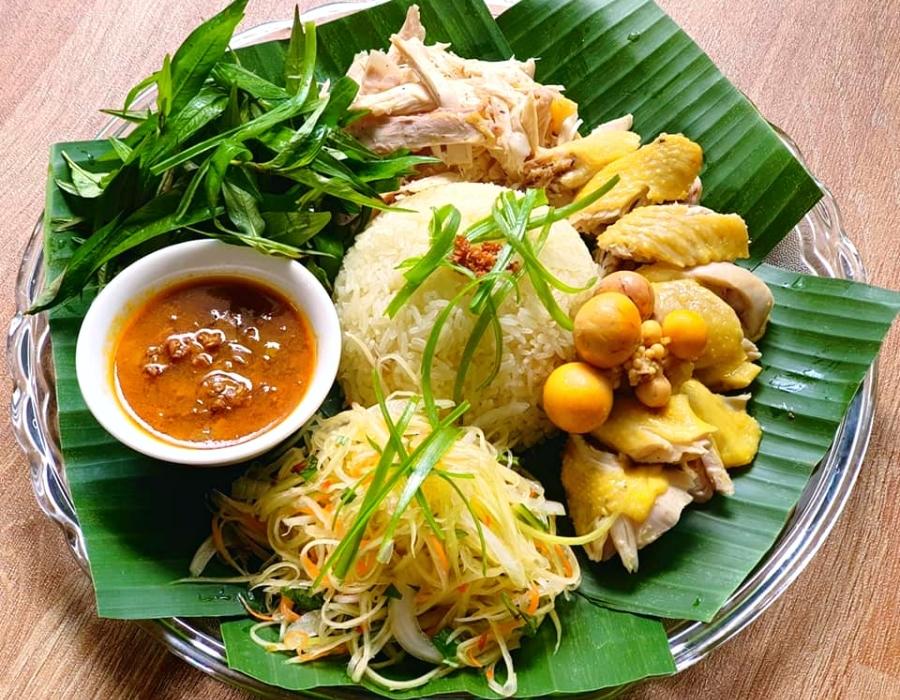
Cơm Gà (Chicken Rice)
Description: Cơm Gà is a comforting and flavorful dish that showcases the simplicity of Vietnamese home cooking. The rice is cooked with turmeric and chicken broth, resulting in a fragrant and golden base. It’s then topped with shredded poached chicken, fresh herbs, and pickled vegetables, and often served with a side of rich chicken soup. The combination of tender chicken, aromatic rice, and tangy toppings creates a dish that’s both hearty and refreshing. Perfect for lunch or dinner, Cơm Gà is a staple of Hoi An cuisine.
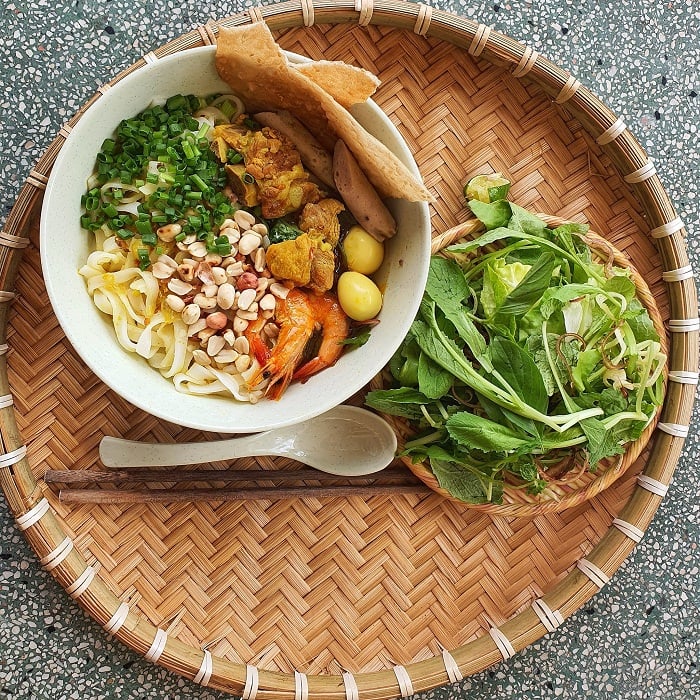
Mì Quảng
Description: Mì Quảng is a quintessential noodle dish from central Vietnam, known for its vibrant colors and complex flavors. The turmeric-infused noodles are served in a small amount of richly flavored broth made with pork, shrimp, or chicken. Toppings include peanuts, fresh herbs, crispy rice crackers, and sometimes quail eggs. The dish is garnished with lime and chili for an extra kick. Mì Quảng is not just a meal but a celebration of the diverse ingredients and culinary creativity of the region.
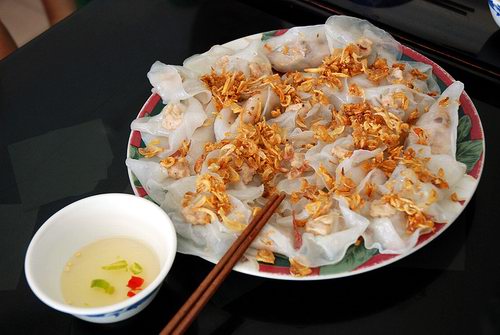
Bánh Bao Bánh Vạc (White Rose Dumplings)
Description: White Rose Dumplings are a delicate specialty of Hoi An, named for their resemblance to blooming white roses. These translucent rice flour dumplings are carefully crafted and filled with a savory mixture of shrimp or pork. They are steamed to perfection and topped with crispy fried shallots. Served with a tangy dipping sauce made of garlic, chili, and lime, these dumplings are a perfect combination of soft, crunchy, and zesty flavors. They’re a testament to the artistry of Hoi An’s chefs.
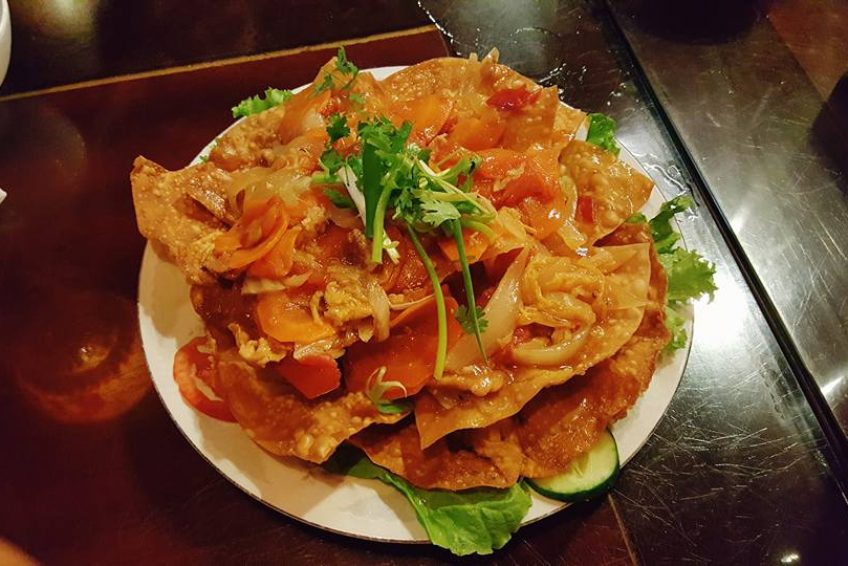
Hoành Thánh Chiên (Fried Wontons)
Description: Hoành Thánh Chiên, or fried wontons, are a delightful appetizer that’s both crispy and flavorful. The wonton wrappers are filled with a savory shrimp mixture and deep-fried until golden. They are then topped with a tangy and colorful tomato-based salsa that includes diced vegetables and herbs. This dish is a fusion of Vietnamese and Chinese influences and is perfect for sharing. Each bite is a satisfying combination of crunch and tang.
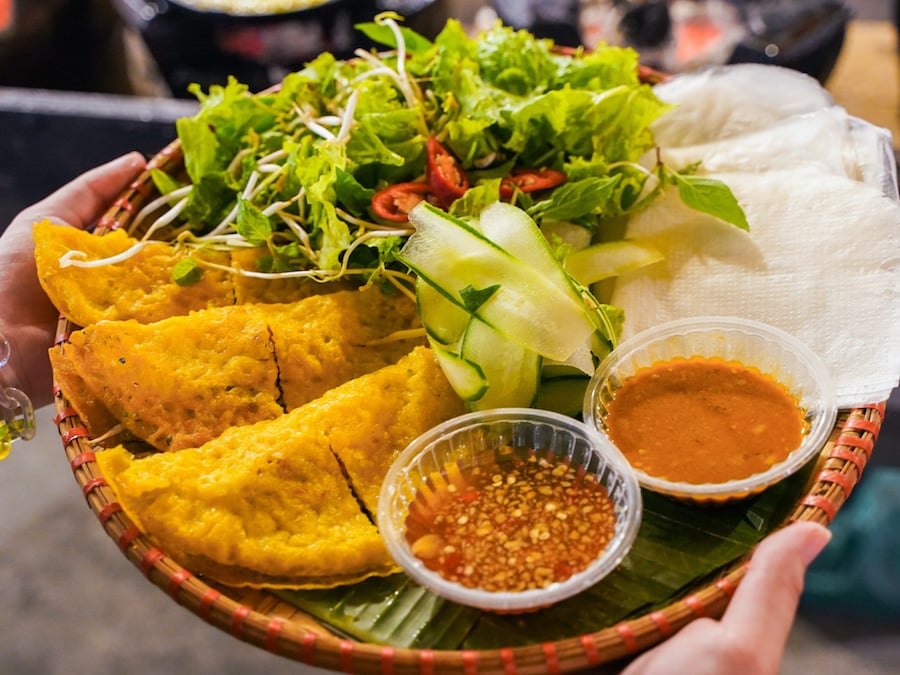
Bánh Xèo (Vietnamese Pancake)
Description: Bánh Xèo, also known as Vietnamese pancakes, are crispy and savory crepes made from rice flour and coconut milk. These pancakes are filled with a variety of ingredients, including shrimp, pork, and bean sprouts. Served with fresh herbs and rice paper, they are meant to be wrapped and dipped into a tangy fish sauce. The contrast of the crispy pancake, fresh greens, and flavorful dipping sauce makes it a standout dish.
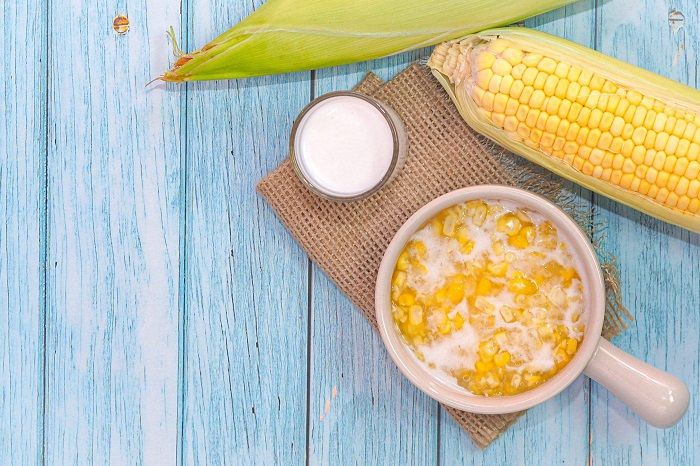
Chè Bắp (Sweet Corn Pudding)
Description: Chè Bắp is a delightful dessert made with sweet corn, glutinous rice, and coconut milk. This dish is both sweet and creamy, with the natural sweetness of the corn shining through. It’s a popular treat in Hoi An, often served warm, making it the perfect end to a meal or a comforting snack on a cool evening.
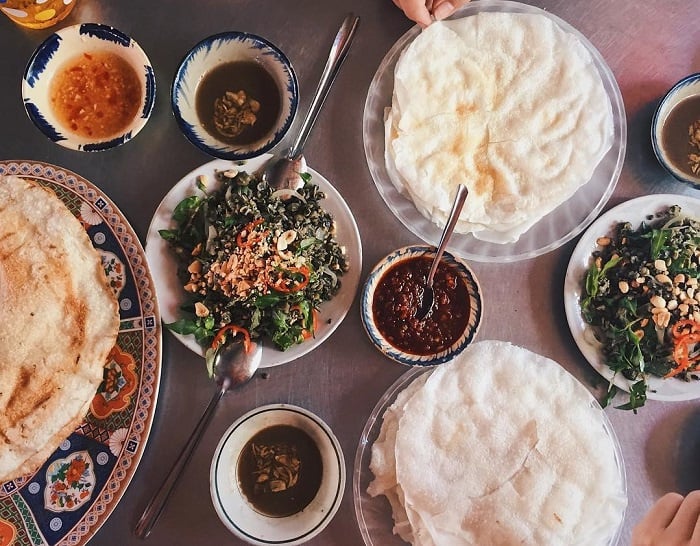
Bánh Đập Hến Xào (Rice Cracker with Stir-fried Clams)
Description: This unique dish combines crispy rice crackers with a savory stir-fry of clams, garlic, and fresh herbs. The clams are cooked with a medley of spices, creating a flavorful topping for the crunchy crackers. Often enjoyed as a shared appetizer, it’s a true representation of Hoi An’s coastal flavors.
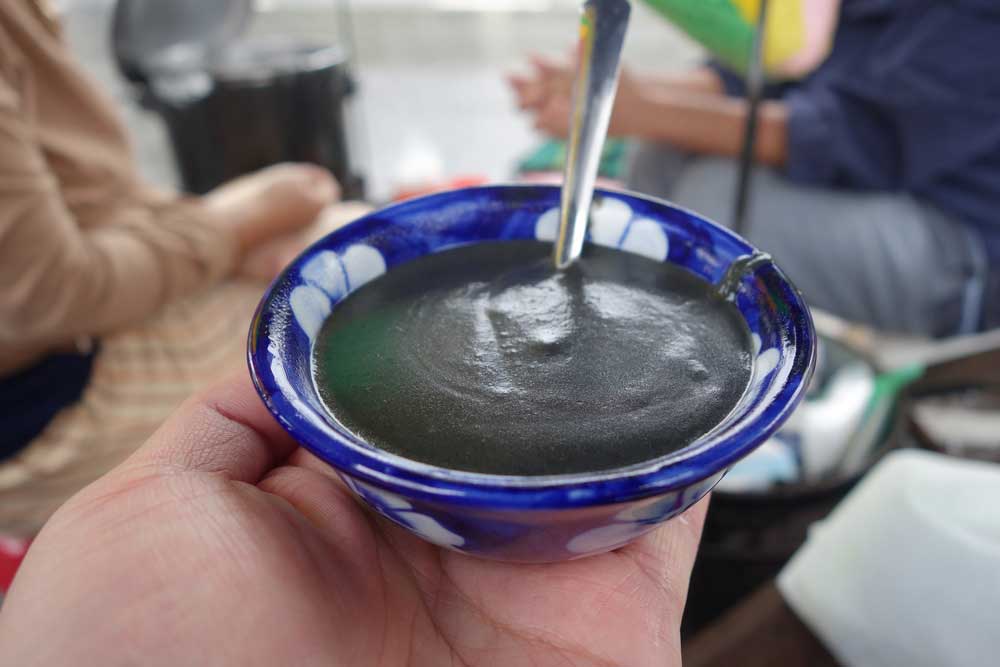
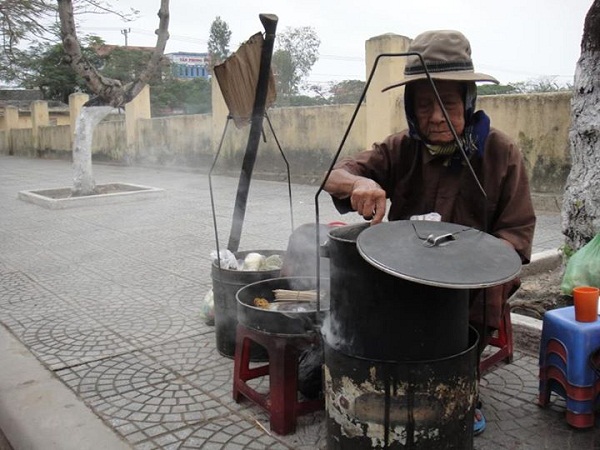
Xí Mà Phủ (Black Sesame Sweet Soup)
Description: Xí Mà Phủ is a traditional dessert made from ground black sesame seeds, sugar, and a hint of herbal flavorings. This thick and smooth soup is both sweet and slightly nutty, offering a unique taste that’s deeply rooted in Hoi An’s culinary traditions. It’s often enjoyed as a nutritious snack or dessert.
Insider Tips for Food Lovers
- Timing: Visit markets early in the morning for the freshest ingredients and authentic local experiences.
- Food Tours: Join guided food tours to discover hidden gems and learn about the history behind each dish.
- Etiquette: Don’t hesitate to ask locals for recommendations; they often know the best spots!
- Dietary Preferences: Many eateries are happy to accommodate vegetarians and other dietary needs if requested.
Conclusion
Hoi An’s culinary scene is as vibrant and diverse as its history, offering something for every palate. From savory street food to delicate desserts, the city’s must-try dishes are a testament to its rich cultural heritage. Whether you’re strolling through bustling markets or dining at a cozy restaurant, every bite tells a story of tradition and flavor. Don’t miss the chance to explore Hoi An through its incredible food culture.
Inspired to see it for yourself?
Explore our journeys →