

Ultimate Guide to Sapa Trekking: Stunning Routes, Smart Tips, and Cultural Adventures
1. Sapa – The Crown Jewel of Northern Vietnam
1.1. Captivating Terrain and Scenic Beauty
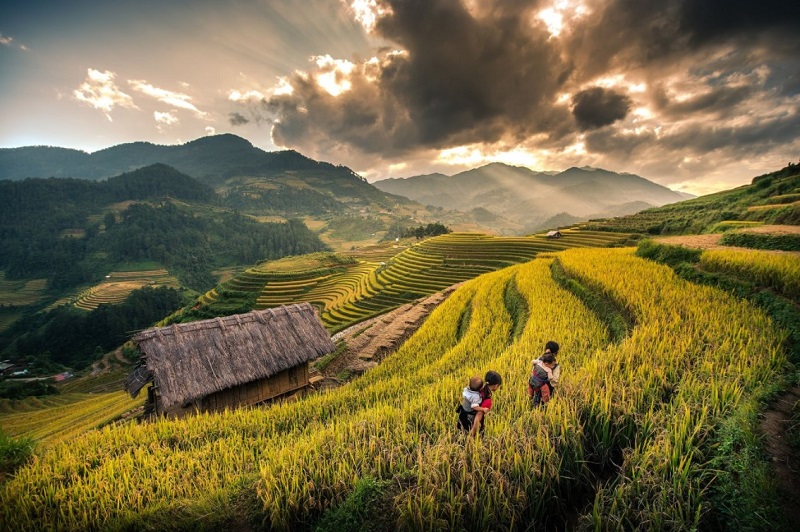
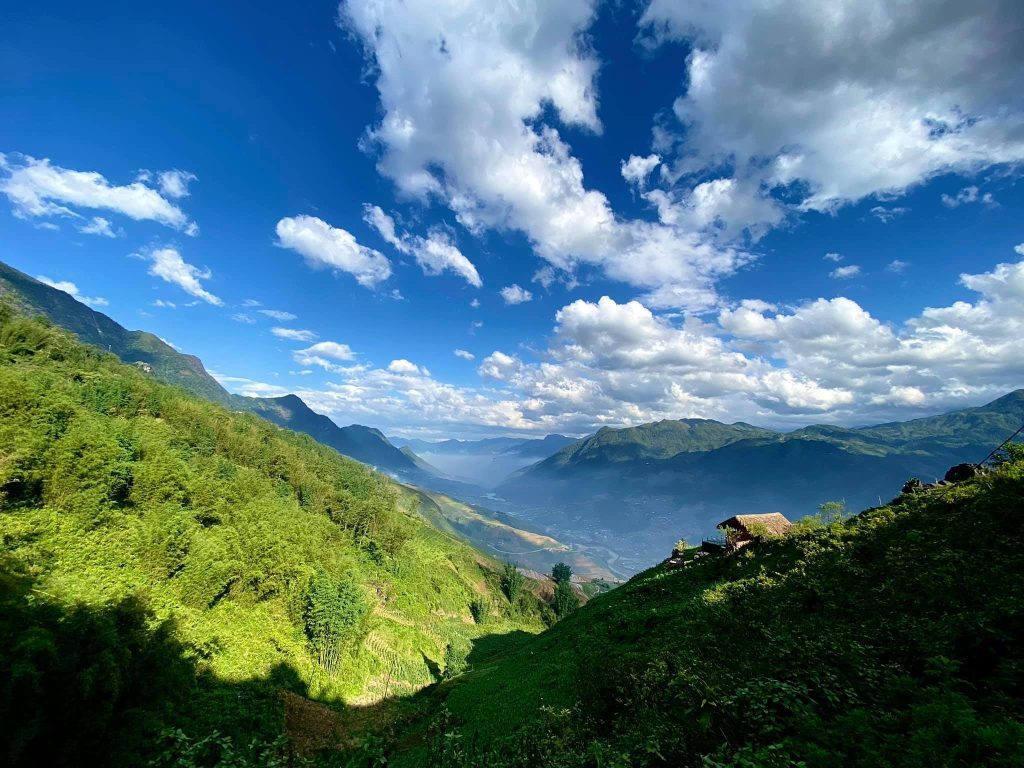
Imagine walking amidst the clouds, with every step unveiling another layer of breathtaking beauty. Sapa’s iconic Muong Hoa Valley, with its cascading rice terraces and lush landscapes, is a masterpiece waiting to be explored. This valley stretches for miles, with a crystal-clear stream running through its heart, framed by soaring mountains and dotted with stilt houses.
1.2. Cultural Richness and Unique Traditions
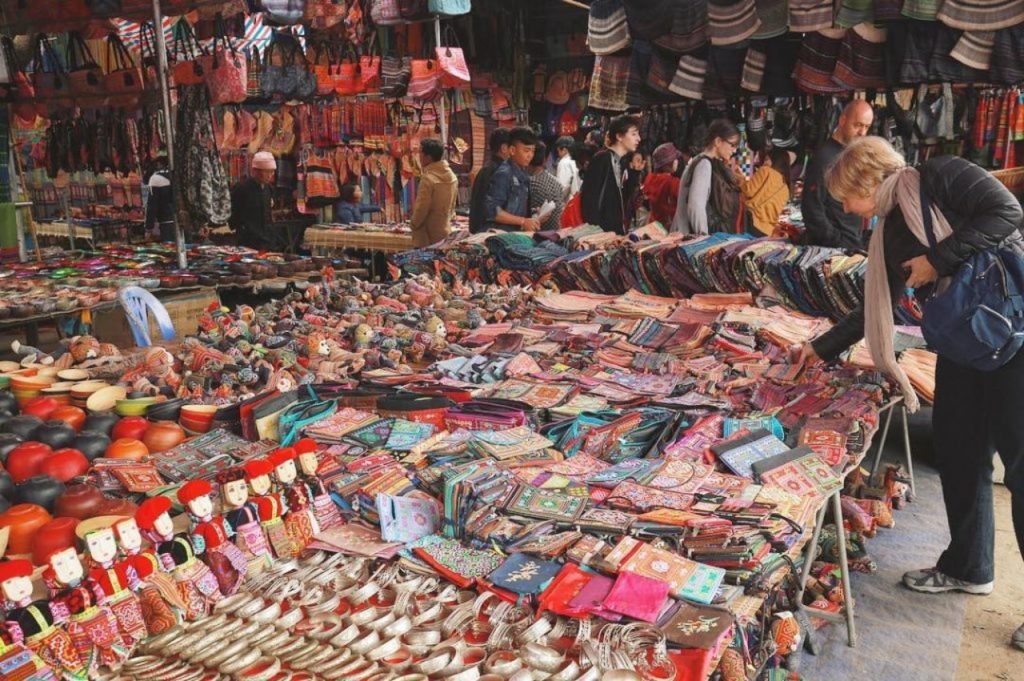
Sapa is more than just a trekking destination; it’s a vibrant cultural hub. Engage with the Hmong, Dao, and Tay communities to learn about their traditions, from intricate weaving to culinary delights. Don’t miss the Saturday night Love Market, a colorful display of songs, dances, and courtship traditions.
2. Top Unmissable Trekking Routes
2.1. Easy Treks for Beginners
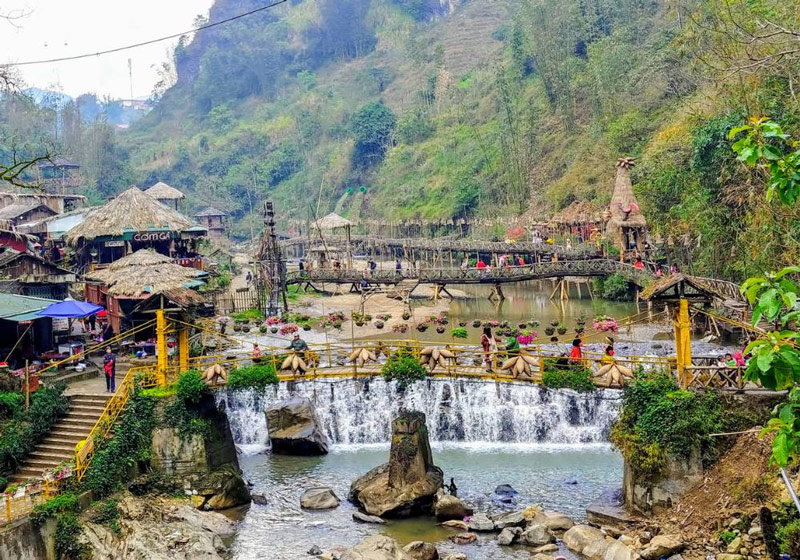
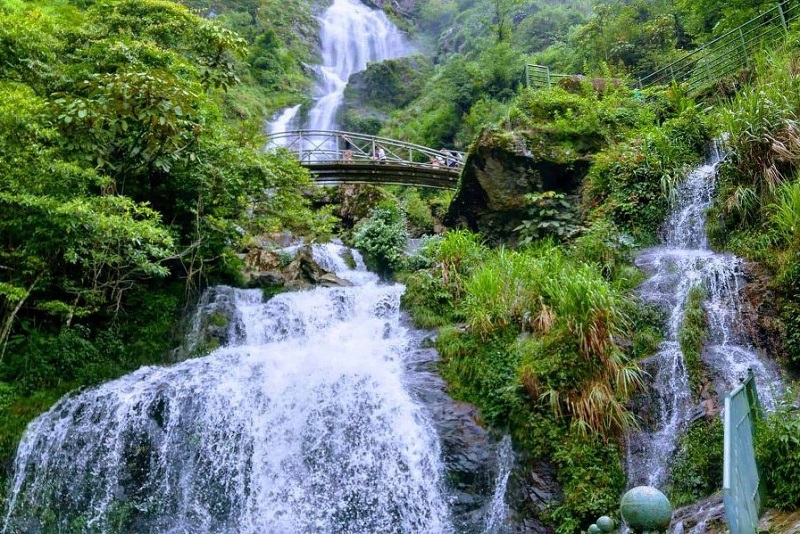
Cat Cat Village Trek: Just 3 kilometers from Sapa town, this trek is ideal for beginners or families. The trail meanders through scenic paths surrounded by terraced fields, eventually leading to Cat Cat Village, where you can witness traditional Hmong crafts like weaving and silver jewelry making. Along the way, you’ll enjoy views of a beautiful waterfall and the stunning convergence of mountain streams.
Tour Suggestion: Sapa 2-Day Trek with Local Villages
2.2. Moderate Treks for Enthusiasts
Lao Chai to Ta Van Trek: This trek is perfect for those who want a balance of nature and culture. Start your journey with a gentle descent into Lao Chai Village, home to the Black Hmong people, and continue to Ta Van, where the Giay community resides. Along the way, you’ll traverse vast rice paddies, cross wooden suspension bridges, and enjoy views of the tranquil valley below.
Tour Suggestion: 2-Day Sapa Trekking in Muong Hoa Valley
2.3. Challenging Treks for Adventurers
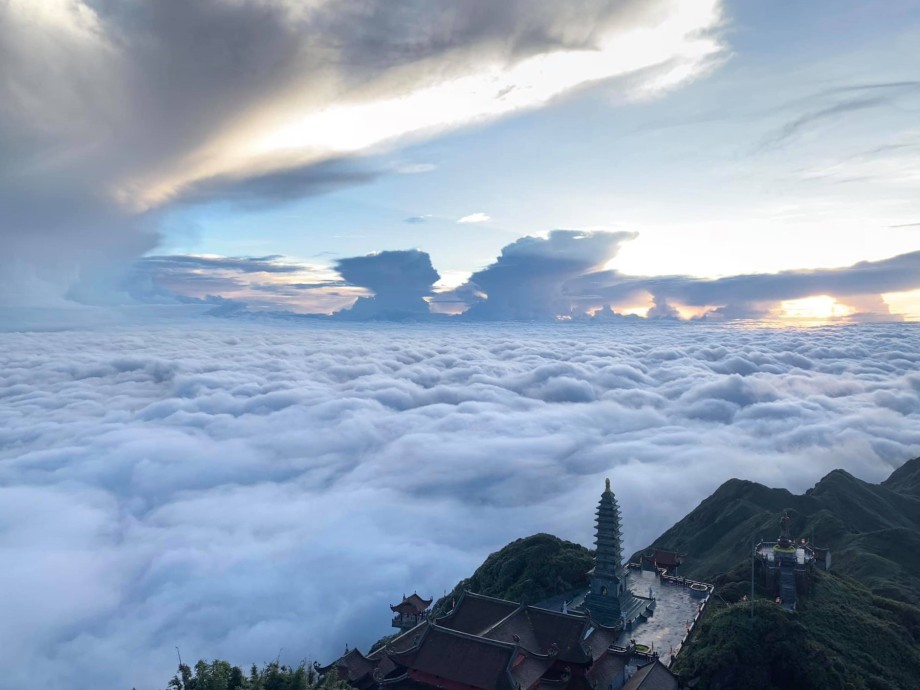
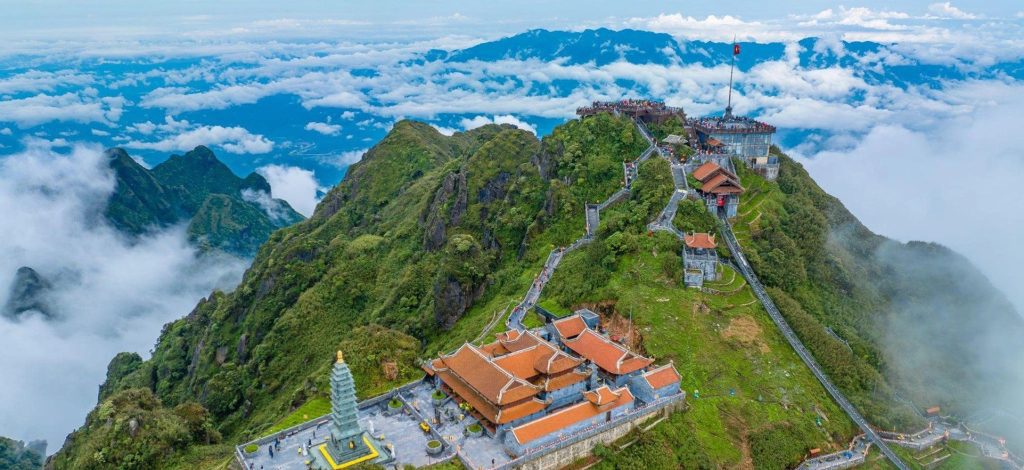
Fansipan Peak Trek: Conquer the Roof of Indochina at 3,143 meters! This trek is a test of endurance and determination, but the reward is unmatched – panoramic views of Sapa’s rolling hills and a sense of achievement that will stay with you forever. Choose between a cable car descent or hike your way back for the ultimate adventure.
Tour Suggestion: Fansipan Peak Trekking Tour
3. Get Ready for an Amazing Sapa Trekking Adventure!
3.1. Perfect Time to Visit
Timing is everything when it comes to a memorable Sapa trekking experience. Here’s a guide to help you choose the best season:
- Spring (March to May): Sapa transforms into a floral wonderland with cool weather and blooming flowers.
- Autumn (September to November): This is when the rice terraces turn golden, creating picture-perfect scenery.
- Summer (June to August): While it's the rainy season, summer is lush and green.
- Winter (December to February): Sapa’s chilly winter can drop to near-freezing temperatures.
3.2. Must-Have Gear Checklist
Packing the right gear is essential to make your trek safe and enjoyable. Here’s a checklist to ensure you’re fully equipped:
- Sturdy Trekking Shoes
- Layered Clothing
- Trekking Poles
- Reusable Water Bottles
- Energy Snacks
- Compact First Aid Kit
3.3. Fitness is Your Key to Success
Trekking in Sapa requires a mix of stamina, strength, and mental resilience. Here are some tips to prepare physically and mentally:
- Start Training Early
- Practice Hill Walking
- Stretch Regularly
- Hydrate and Eat Well
4. Dive into Local Culture and Homestays
4.1. Connecting with Local Ethnic Communities
One of the highlights of trekking in Sapa is meeting the indigenous people who call this region home. The Hmong, Dao, and Tay communities are known for their warmth and hospitality. Here are ways to make your interactions respectful and enriching:
- Learn Basic Phrases: A simple “hello” in Hmong or a “thank you” in Vietnamese can go a long way in breaking the ice.
- Show Respect for Customs: Observe local traditions, and when unsure, follow the lead of your host or guide.
- Ask Before Taking Photos: Always ask for permission before photographing people, especially elders.
- Support Local Handicrafts: Many villagers sell handmade textiles, jewelry, and souvenirs. Buying directly supports their livelihood and preserves their heritage.
4.2. Authentic Homestay Experiences
Homestays offer an unparalleled opportunity to immerse yourself in the heart of Sapa’s ethnic communities. Staying with a local family is not only a comfortable way to rest after a day of trekking but also a chance to experience the region’s rich culture. Here’s what you can look forward to during your stay:
- Warm Hospitality: Your hosts will greet you with genuine warmth and kindness. Enjoy delicious, home-cooked meals prepared with fresh, locally-sourced ingredients.
- Simple Yet Comfortable Accommodations: Homestays are cozy and rustic, with basic amenities to ensure a pleasant stay. Guests typically sleep on comfortable mattresses with mosquito nets in shared spaces.
- Relax and Recharge: Unlike bustling hotels, homestays allow you to truly unwind. Sit back and relax as your hosts take care of meals and arrangements.
- Tips for a Comfortable Stay: While not required, small gifts like snacks or postcards are appreciated by hosts as a token of gratitude for their hospitality.
Inspired to see it for yourself?
Explore our journeys →